Estate Valuation Reports
28 April 2026
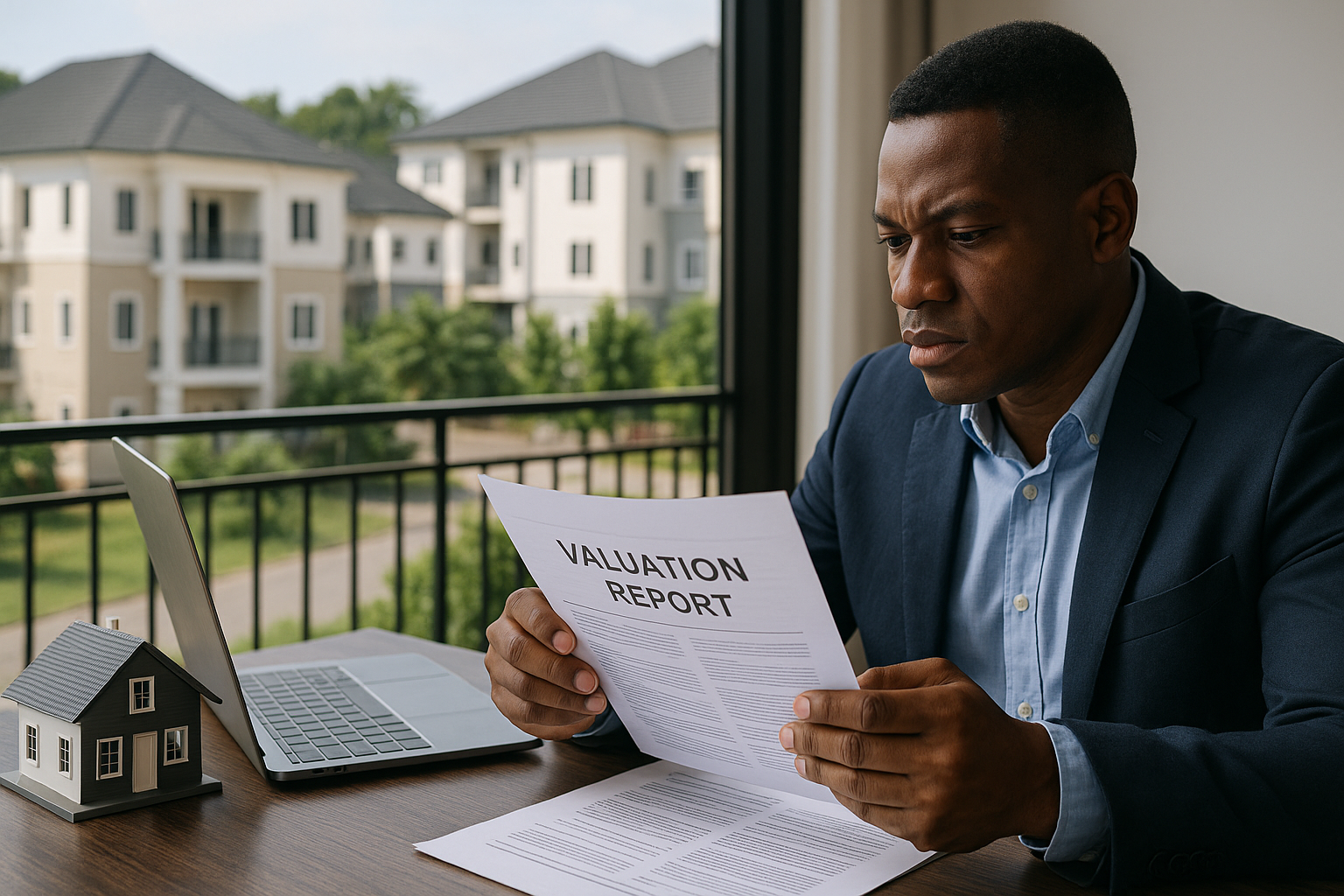
A valuation report prepared by estate surveyors is a formal document that provides an expert opinion on the value of a property. Estate surveyors, also known as real estate appraisers or valuers, are trained professionals who assess various factors to determine the market value of real estate. The valuation report is used for various purposes, including buying, selling, financing, taxation, insurance, and investment decisions. Here are the key details typically included in a valuation report.
Property Description: The report begins with a detailed description of the property being valued. This includes the location, size, type of property (residential, commercial, industrial, etc.), and any unique features or characteristics that may influence its value.
Purpose of Valuation: The valuer states the purpose for which the valuation is being conducted. This could be for sale, purchase, mortgage, insurance, taxation, litigation, or any other specific purpose.
Date of Valuation: The valuation report should clearly state the date on which the assessment was conducted. The value of a property can change over time, so this date is essential for understanding the relevance of the valuation.
Market Analysis: Estate surveyors consider the prevailing market conditions, recent property sales, and rental data in the area to assess the property’s value accurately. They also analyze supply and demand dynamics, economic trends, and other factors influencing the local property market.
Approach to Valuation: There are three common approaches to property valuation:
Comparison Approach: The valuer compares the subject property to recently sold similar properties (comparables) in the same area to determine its market value.
Income Approach: Primarily used for income-generating properties, this approach estimates value based on the property’s income potential and expected return on investment.
Cost Approach: This approach calculates the property’s value based on the cost of constructing a similar property, minus depreciation and considering the property’s age and condition.
Valuation Methodology: The report explains the specific methods used by the valuer to arrive at the final value. For example, the valuer might use the sales comparison approach, the income capitalization approach, or a combination of methods for more accurate results.
Valuation Calculation: The report provides the final assessed value of the property based on the chosen approach and methodology. The value may be given as a single figure or as a range, depending on the complexity and uncertainty of the valuation.
Qualifications and Limitations: Estate surveyors are required to disclose any potential conflicts of interest and state the scope and limitations of the valuation. For instance, they may mention if certain aspects of the property were not physically inspected or if some information was unavailable.
Signature and Seal: A valuation report is a legal document, and it must be signed and stamped/sealed by the registered estate surveyor who conducted the assessment.
It’s important to note that the format and content of valuation reports can vary depending on the jurisdiction, the purpose of the valuation, and the specific requirements of the client or relevant authorities. These reports are vital tools for making informed decisions regarding real estate transactions and investments.
We work with Estate Surveyors that will handle your valuation reports anywhere in Nigeria. Reach out to us for more information.